How Reliable Is Country of Origin Information for Latin American Asylum Cases?
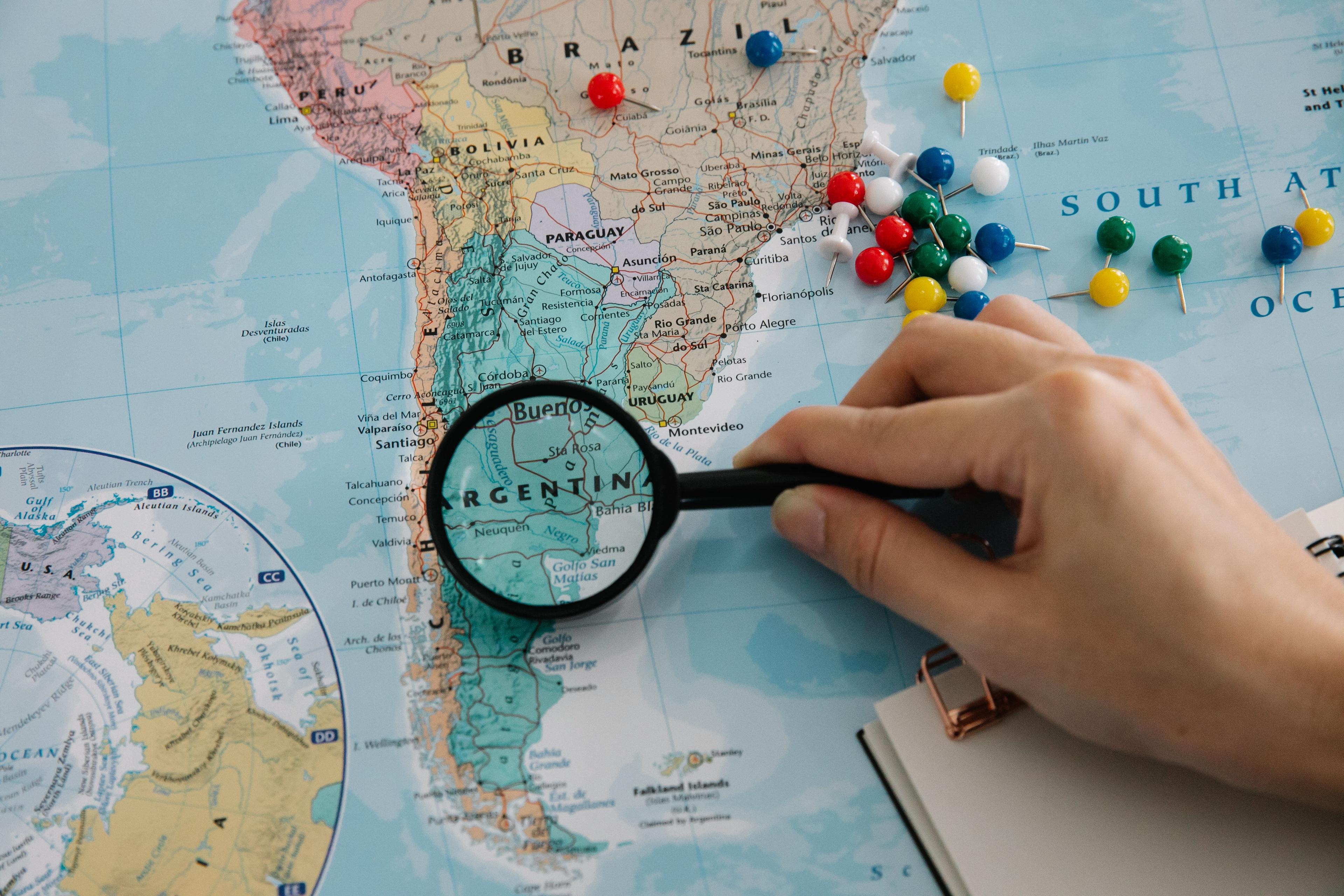
Country of Origin Information, often referred to as COI, can provide important background about conditions in a person's country of origin. In Latin American asylum cases, it may cover subjects such as political developments, human rights, security, treatment of particular groups, access to state protection and conditions in specific regions.
However, country information needs to be assessed carefully. A report may be useful for one question while providing limited information for another. Information that was accurate when published may also need to be considered alongside later developments.
So how reliable is Country of Origin Information for Latin American asylum cases?
The answer depends on several factors, including the source of the information, how it was gathered, how current it is, the geographical area it covers and how closely it relates to the issue being considered.
What Is Country of Origin Information?
Country of Origin Information is information about a person's country of origin or habitual residence that may be relevant when considering an international protection claim.
COI can cover a wide range of subjects. Depending on the country and the issue being researched, this may include:
- political and legal developments
- human rights conditions
- security and conflict
- treatment of particular groups
- criminal and organised group activity
- availability of state protection
- social and economic conditions
- conditions in particular cities, regions or local communities
Country information can be produced by governments, international organisations, non-governmental organisations, academic institutions, research bodies, media organisations and other sources with relevant knowledge.
What Makes Country Information Reliable?
There is no single feature that makes a source reliable in every situation.
The reliability of country information can depend on who produced it, the methods used to obtain it, the evidence behind it and whether the information is relevant to the particular question.
Factors such as the source's qualifications, knowledge, expertise, experience and the nature of the information provided can all be relevant when assessing country information.
This means that simply identifying a report as official, academic, local or international is not enough. The nature and purpose of the source should also be considered.
Who Produced the Information?
The organisation responsible for a source can provide useful context.
An international organisation may have access to information collected across several countries. A government body may publish official statistics or information about laws and policies. An academic study may provide detailed research into a particular issue. A local organisation may have knowledge of developments in a specific community or region.
Each type of source can contribute useful information.
However, the fact that a source is well known does not automatically mean that every piece of information it publishes is equally relevant to every research question.
The source's expertise and the subject being addressed should be considered together.
How Was the Information Gathered?
The way information was collected can also affect how it should be assessed.
Depending on the source, country information may be based on interviews, field research, official records, statistics, academic research, documented incidents, media reporting or analysis of other published material.
Understanding the methodology can help establish what the information actually demonstrates and what limitations may apply.
For example, information based on research carried out in a particular region may provide useful detail about that location. It may not necessarily describe conditions across an entire country.
This is why looking at the underlying methodology can be as important as looking at the organisation that published the information.
Does National Country Information Reflect Local Conditions?
Not always. A national report can provide useful background about a country's political, legal or security situation. However, conditions can differ between regions, cities and local communities.
This can be particularly relevant in large and geographically diverse Latin American countries.
A national report may describe an overall trend while providing limited information about a particular area. A separate source may contain more detailed information about that locality.
The two sources are not necessarily inconsistent. They may simply be addressing the situation at different geographical levels.
When researching country conditions, it is therefore important to consider whether the information actually relates to the country, region, city or community relevant to the question.
Latin America Expert's country coverage provides information about the countries covered by its specialist country research.
Why Does the Date of Country Information Matter?
Country conditions can change.
Changes in government, legislation, security conditions, political developments, organised criminal activity or the operation of public institutions can affect the situation described in country information.
For that reason, the date of a report and the period covered by its research are important.
Older information should not automatically be disregarded. At the same time, it should not automatically be assumed to describe current conditions.
The relevant question is whether the information remains appropriate for the issue and period being considered.
Why Is Corroboration Important?
Comparing information from different sources can help identify whether an important point is supported elsewhere.
For example, information about a political development or security issue may be considered alongside material from other independent organisations, official records, academic research or credible reporting.
This can also reveal differences between sources.
Using multiple sources can help provide a broader picture and can assist in checking the accuracy and reliability of important information. However, apparently separate sources may sometimes rely on the same underlying material.
In other words, several publications do not necessarily represent several independent sources of information.
Are Local Sources More Reliable Than International Sources?
Not necessarily. Local sources can be valuable when researching conditions in a particular region or community. They may have direct knowledge of local developments that receive limited coverage elsewhere.
International organisations can also provide valuable information, particularly where they have established research or monitoring activities.
The important consideration is whether the source is appropriate for the question being researched and whether its information can be assessed against other available material.
Being local does not automatically make a source more reliable. Being international does not automatically make it less relevant.
Different sources can have different value depending on the subject, context and reliability of the information provided.
Why Can Language Matter When Researching Latin America?
Some relevant country information is published in languages other than English.
Spanish is particularly important when researching many Latin American countries, while Portuguese is relevant to research concerning Brazil. Depending on the subject, information may also be available in other languages.
Using information in its original language can provide access to material that may not be available in English.
Where translated material is used, it can also be useful to consider the original source and the nature of the translation.
Language is therefore one consideration when building and assessing a wider body of country information.
What If Two Country Sources Disagree?
Different sources can sometimes present different accounts of the same issue.
This may happen because they were published at different times, cover different locations, use different research methods or have access to different information.
A difference between sources does not automatically establish that one source is inaccurate.
Instead, the differences should be examined.
Questions that may help include:
- When was each source published?
- What period does each source cover?
- What geographical area was researched?
- What methodology was used?
- Who produced the information?
- Are the sources relying on the same underlying material?
- Does one source provide evidence that the other does not?
The aim is not simply to select the source that appears to support a particular position. It is to understand the available information and its strengths and limitations.
Can General Country Information Answer Every Question?
No.
Country of Origin Information generally describes conditions, events, laws, practices or other circumstances in a country. It does not necessarily establish the individual facts of a particular person's circumstances.
For example, a report may describe security conditions in a particular region. That information may provide useful context, but it does not by itself establish what happened to a particular individual.
Similarly, information about the general availability of state protection does not necessarily answer every question about whether a particular person could obtain protection in their own circumstances.
COI should therefore be understood according to what the information actually addresses.
For cases requiring detailed country specific research, Latin America Expert's country condition reports provide specialist country information relating to Latin American countries.
How Can the Reliability of Country Information Be Assessed?
When reviewing Country of Origin Information, it can be useful to consider a number of basic questions:
- Who produced the information?
- What expertise or knowledge does the source have?
- How was the information gathered?
- What period does it cover?
- Is it current enough for the issue being considered?
- Does it relate to the relevant country or region?
- Does it address the particular issue in sufficient detail?
- Can important information be checked against independent sources?
- Are there limitations or uncertainties that should be recognised?
- Are apparently separate sources actually based on the same original material?
These questions do not create a fixed measure of reliability. They provide a framework for understanding the quality, relevance and limitations of different pieces of country information.
Why Country Specific Research Matters in Latin American Cases
Latin America is not a single political, legal or social environment.
The countries of the region have different laws, institutions, security conditions and political circumstances. Conditions can also vary within individual countries.
This makes the geographical scope of country information important.
A report describing national conditions may provide useful context. More specific research may be needed when the question concerns a particular region, city, community or group.
The same principle applies to time. Information about conditions several years ago may provide historical context, but it may not accurately describe the situation today.
Careful country research therefore involves considering both the scope and currency of the information.
A Balanced Approach to Country of Origin Information
Reliable country research does not depend on finding one report that answers every question.
A careful approach is to consider the available information as a whole and examine the strengths and limitations of individual sources.
This can involve comparing different types of sources, checking publication dates, examining research methods and considering whether information is relevant to the particular geographical area or issue.
It is also important to recognise uncertainty where the available evidence does not provide a clear answer.
Conclusion
Country of Origin Information can provide valuable background when assessing conditions in Latin American countries. Its reliability, however, should be considered rather than assumed.
The source, methodology, date, geographical scope, relevance and supporting evidence can all matter. Comparing information from different sources can also help identify areas of agreement, disagreement and uncertainty.
For Latin American asylum cases, national level information may be useful, but it may not always provide sufficient detail about conditions in a particular region or community.
A careful approach to Country of Origin Information therefore asks not simply whether a report exists, but whether the information is relevant, reliable, sufficiently current and appropriate for the particular question being considered.
This article provides general information about Country of Origin Information. It is not legal advice and does not predict the outcome of any individual asylum or protection claim.